Viltrox AF 16mm f/1.8 L-Mount Review
Viltrox AF 16mm f/1.8 L-Mount Review – First Autofocus Prime for L-Mount in 2026
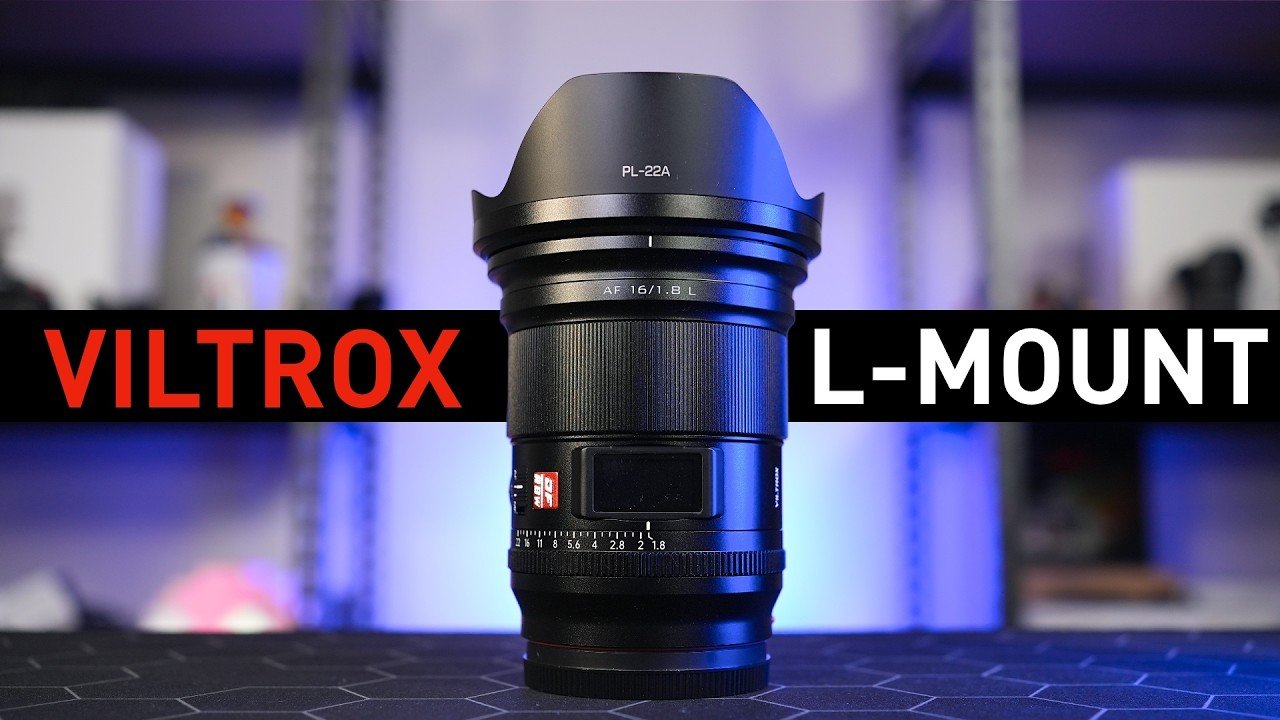
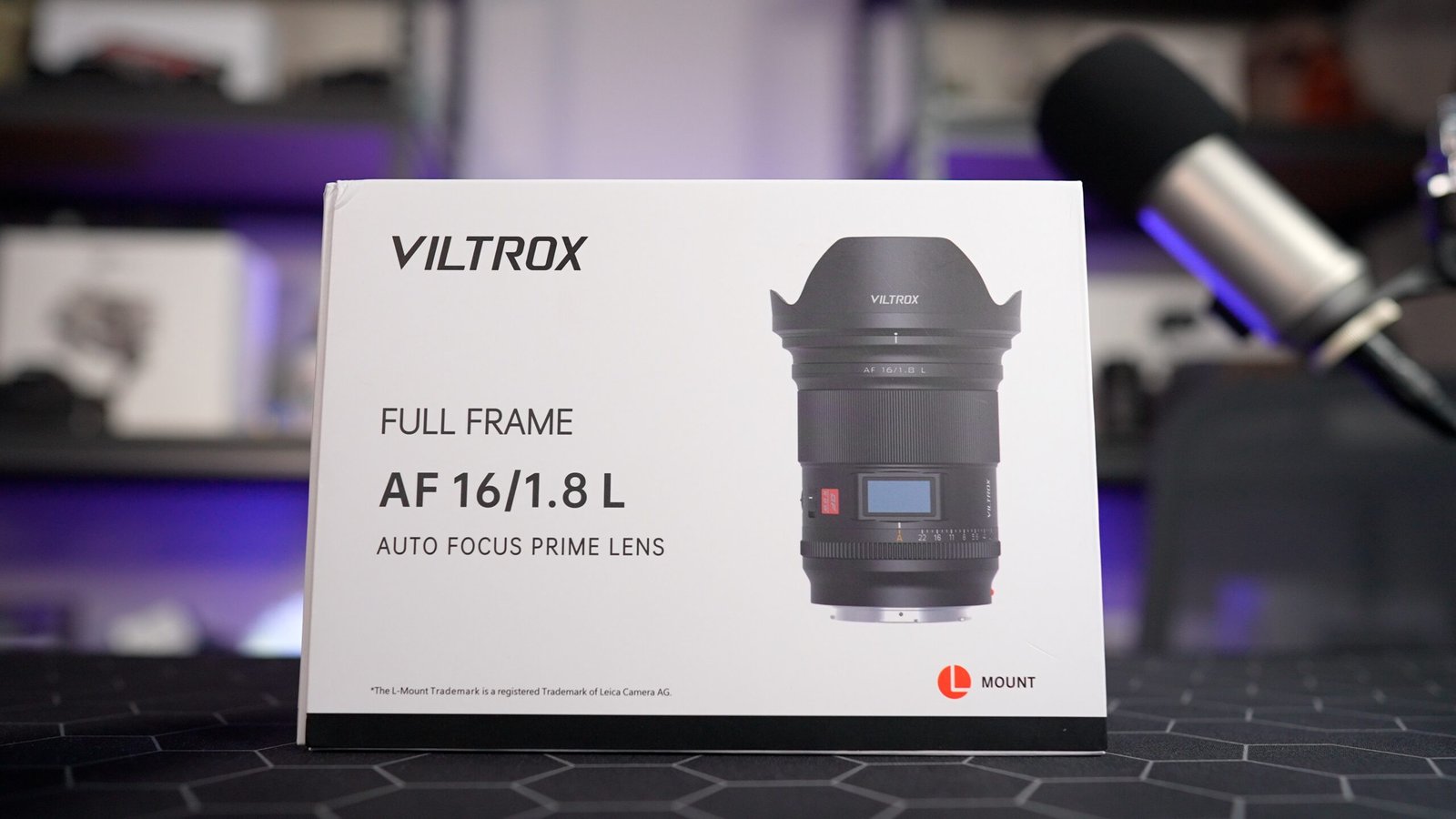
Welcome back, everyone. I’m Shane. If you haven’t heard yet, Viltrox joined the L-Mount Alliance back in September 2025. And right here is their first autofocus prime for the system in 2026 – the Viltrox AF 16mm f/1.8 L (yep, L for L-Mount).
I’m really happy this lens made it to L-Mount. It’s one of my two favorite wide-angle lenses right now, and I reckon it’ll kick off more options for Lumix shooters. Launch price sits at $580 USD, about 599 Euros, or 840 Canadian dollars. I’ve been shooting with the E Mount version of this lens for two years now, so I am very familiar with it and the L mount version is identical.
Buy it on Viltrox “Geeky” for 5% off with discount code
How Wide Is 16mm, Really?
For those wondering how wide 16mm is – here’s a side by side comparison between the same scene at 24mm, 18mm and 16mm on the Viltrox. It’s amazing how much wider 16mm is over the prior two focal lengths.
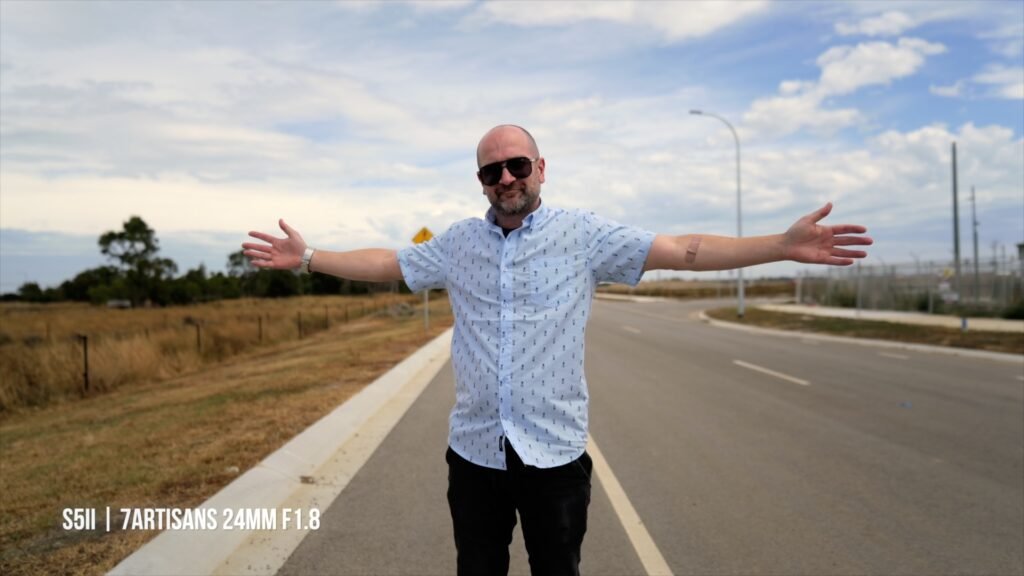
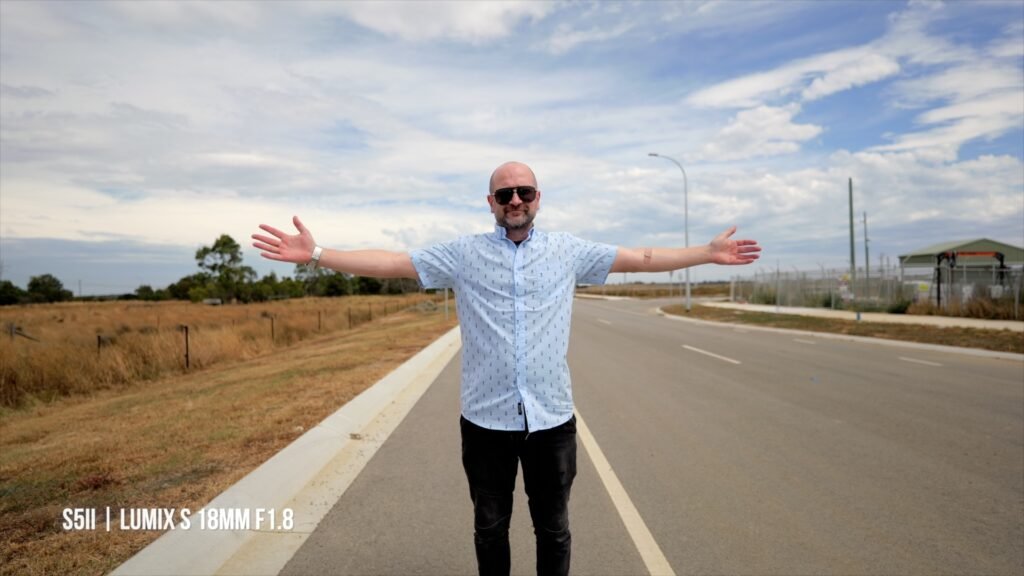
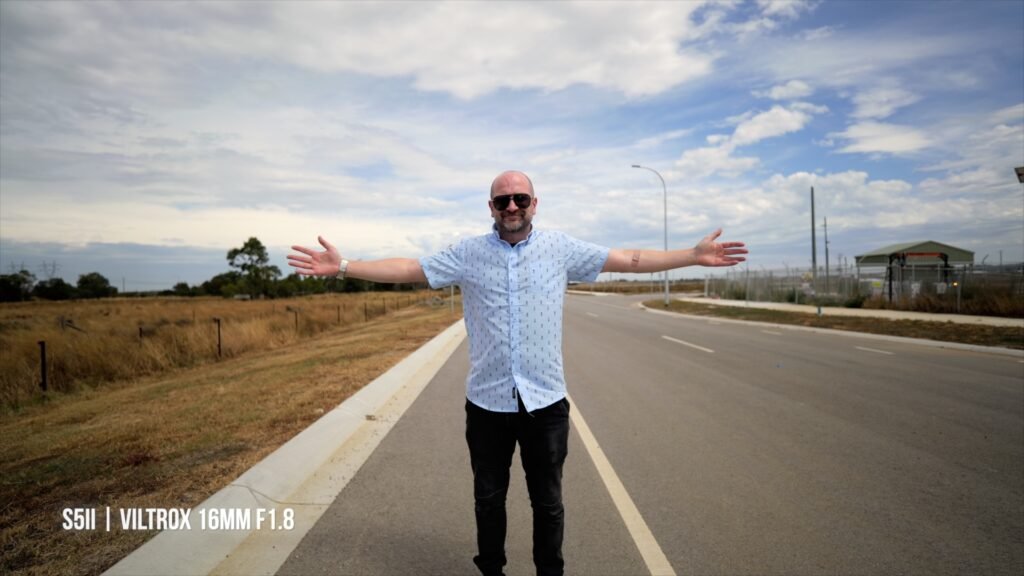
You might not expect to see such a huge difference between the 18 and 16, but there is – take a look at the sides of frame. I am standing in the same spot for each of these clips (marked on the ground with a stick). The 7Artisans 24mm lens in this sample gallery is a great choice if you’re on a budget check out my review.
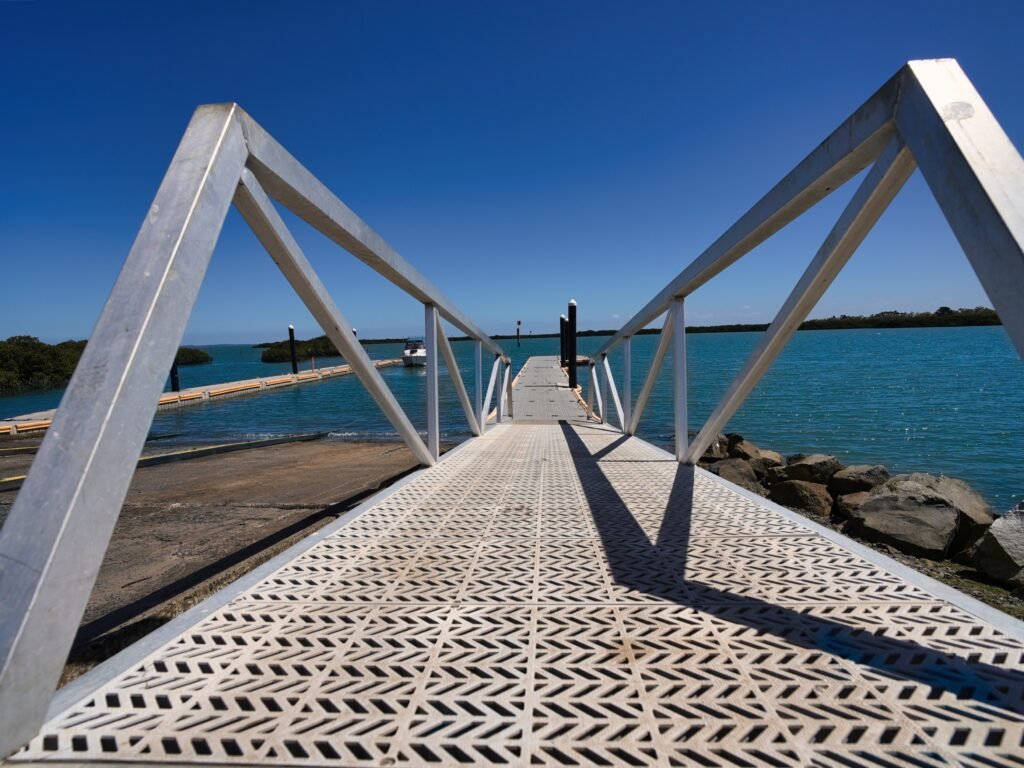
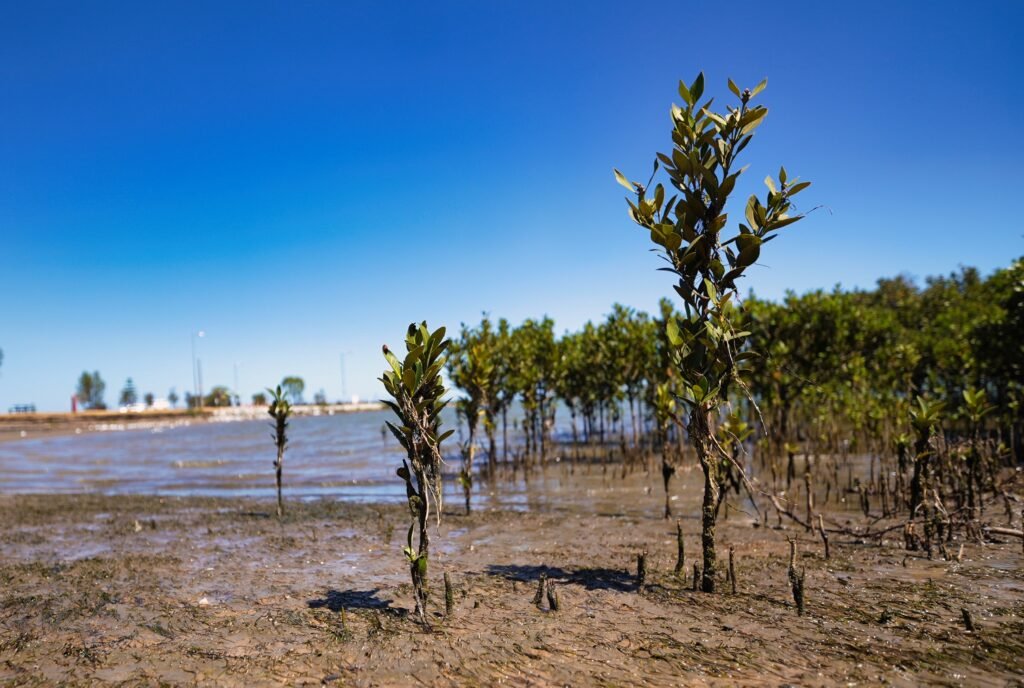
Sample Gallery and Image Quality
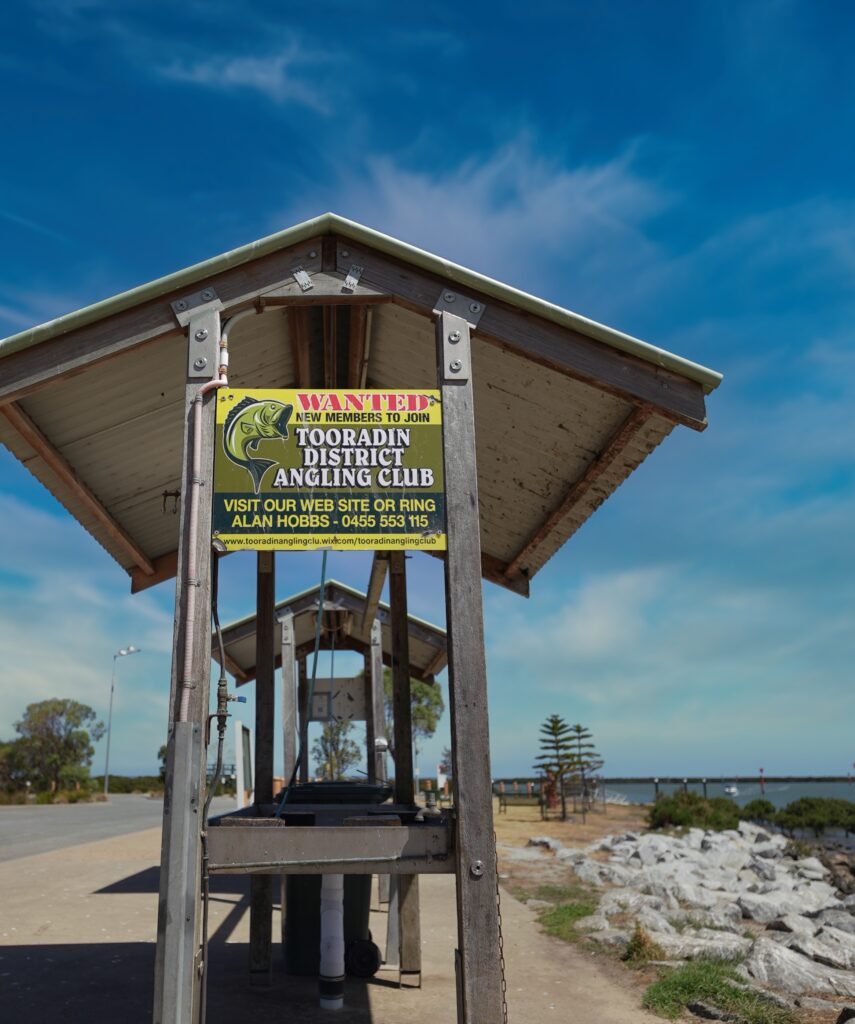
These photos were graded in Luminar Neo to increase the saturation, and pop. (affiliate link) It’s a great piece of software for getting your images to pop with very little effort.


Quick Disclaimers Up Front
Right after launch, I posted in my YouTube community that the review would be delayed. The first sample Viltrox sent had serious issues – lens attachment errors, bad IBIS wobble, and autofocus that just wouldn’t work on any of my bodies. After troubleshooting with Viltrox, it turned out the lens got damaged in shipping. That’s why it wasn’t out on day one.
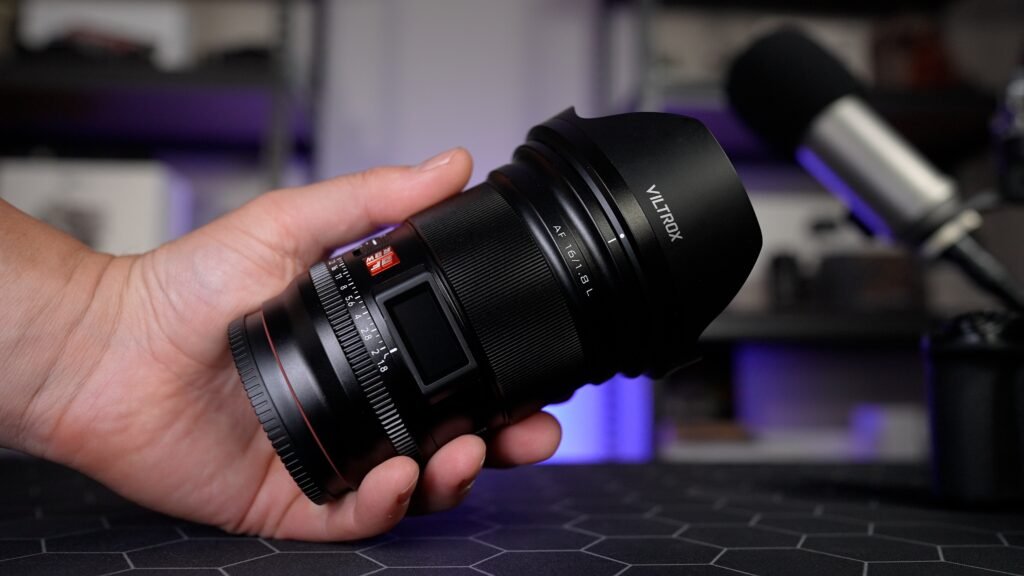
Good news: the replacement unit worked perfectly straight away. Everything tested fine. I’ve spent two years with the E-Mount version, so I’m pretty familiar with how this lens behaves. Thanks to Viltrox for sending the review sample and helping sort the problem.
Build Quality
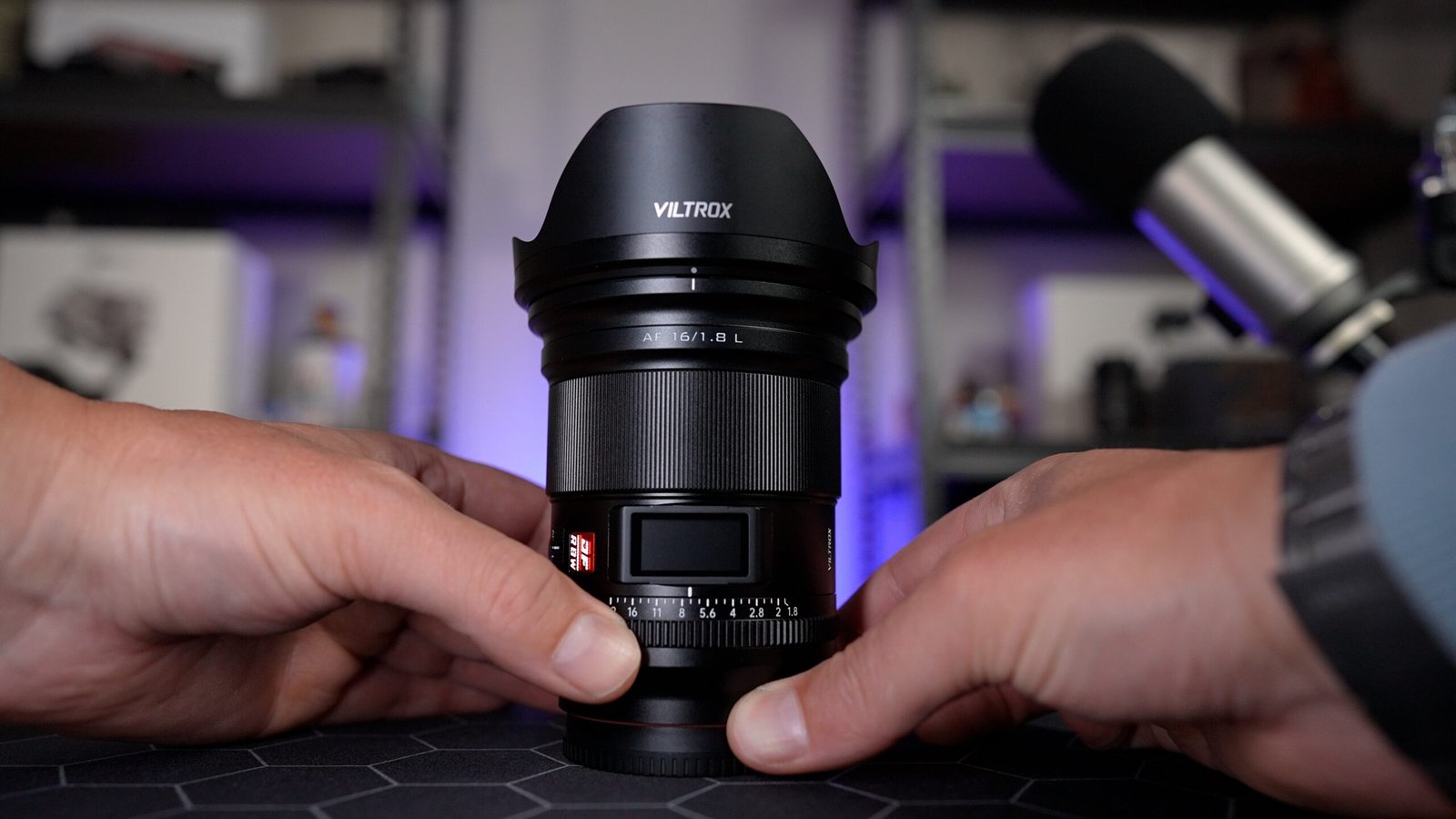
Build is one reason I keep going back to the E-Mount version – it just feels nice in the hand. Full metal magnesium-aluminum alloy body (except the hood and caps), 77mm front filter thread, and minimum focus distance of 0.27m (27cm).
The hood and caps click on securely. Focus ring is big, turns smoothly, and plays perfectly with linear focusing on Lumix bodies – you can dial in exactly how much ring turn you want for focus pulls. Newer bodies let you reverse the direction too, which is handy.
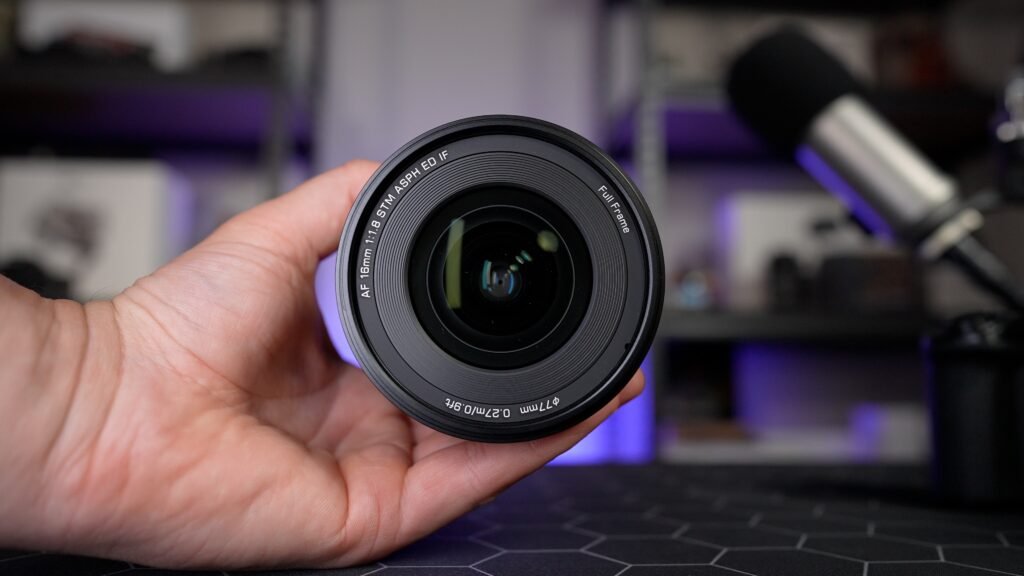
The Viltrox 16mm F1.8 uses STM motors for reliable focus in both photos and video. Compared to the Lumix S 18mm f/1.8, the standout is the physical aperture ring with a clicked/de-clicked switch. You can click through f/1.8 to f/22 or go smooth for video. It won’t accidentally shift off A if you’re controlling aperture from the camera.
The coolest bit? That little LCD screen on top shows aperture and focus distance live. Not a must-have, but it’s useful – especially at minimum focus to double-check you’re sharp. Richard Wong on YouTube mentioned the distance readout isn’t always spot-on, and Viltrox is sorting a fix. It updates in real time as you turn the ring, and you can switch it off via the Viltrox app if you prefer.
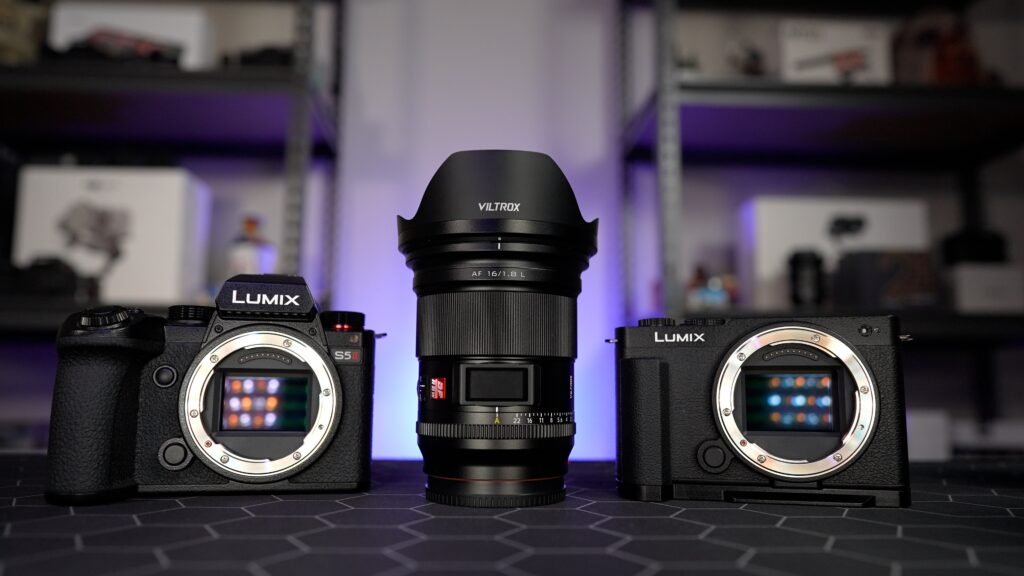
On the side: solid AF/MF switch, plus two custom buttons. Top one defaults to focus hold (changeable in-camera menu). I set the bottom one (FN2) in the app to toggle the screen on/off with a single press – super convenient. You can remap them too.
Overall build is excellent. It’s heavier than the Lumix 18mm, but if you don’t mind the extra grams, it’s worth it. One heads-up for cold-weather shooters: a mate’s sample (Matti) stopped working around -10°C. Worth keeping in mind if you’re in freezing spots – I’ll link his video below.
Video Autofocus and Performance
Video AF and tracking is a bit slower than native S-Series lenses, even with speed and sensitivity cranked up. Same behavior as the Sony version. It has a more cinematic, deliberate feel on focus pulls – native lenses can snap back too quickly sometimes.
Tracking modes work reliably, no hunting or pulsing. Product showcase mode is smooth when you hold things up to the camera. Tap-to-focus in one-area mode is clean too, and focus breathing is minimal – that’s a big win for video.
Vlogging, IBIS, and 4K60p Crop Mode
One strong point: it pairs well with e-stabilization on newer Lumix bodies. Handheld shots stay really smooth – even in standard mode. Because it’s so wide, you can bump to high e-stab and still have a usable view for vlogging.
In 4K60p APS-C crop, you keep enough width for most vlog setups. The crop turns 16mm into roughly 24mm equivalent – still versatile. For extra width in crop, a small tripod like my Manfrotto Pixie, helps keep things steady. See video above for information on field of view in real-world use.
Image Quality
Image quality is excellent for both photos and video. Chromatic aberration is basically gone, even in tough high-contrast scenes. Sunstars at f/16 look nice, flaring is low when shooting toward the sun.
Sharpness is solid wide open at f/1.8 – great if you like isolating subjects on a wide lens. The design has 15 elements in 12 groups (4 ED, 3 aspherical) to keep things controlled. Vignetting shows at f/1.8 but cleans up nicely by f/2.8–f/4.
Landscapes and Real-World Use
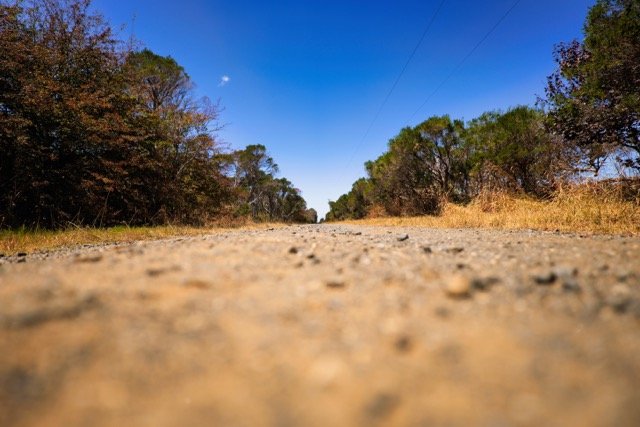
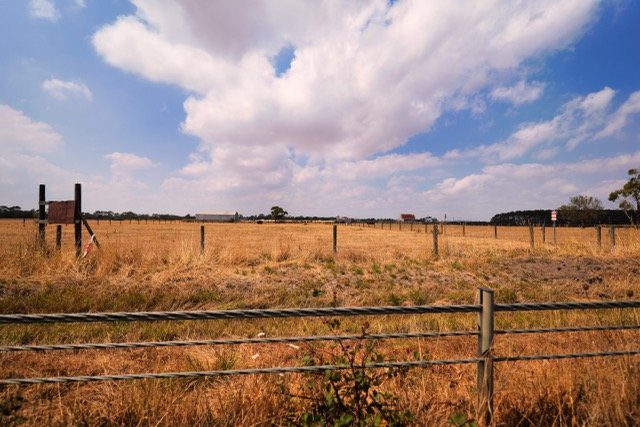
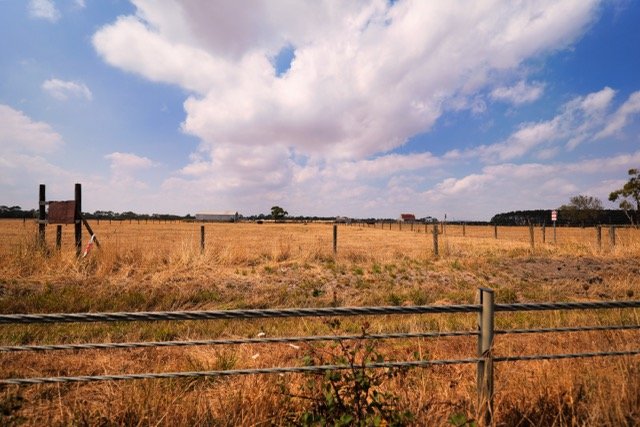
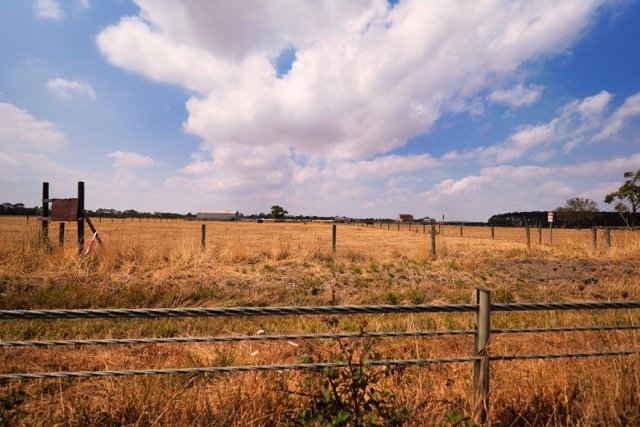
This lens suits architecture, landscapes, and astro well. I enjoyed using it for countryside and coastline work. Even in handheld high-res mode on Lumix, shots come out sharp. Examples here are straight from camera (minor grading on JPEGs, no heavy edits).
Getting low gives great perspective. Some of my favorites came from Eagles Nest in Australia – the place feels otherworldly compared to the city.
These images were graded using Luminar Neo which I can highly recommend (affiliate link)











Firmware Updates
Updates are straightforward now: plug the lens into a USB-C charger, connect via Bluetooth in the Viltrox app. Worked smoothly for me. Don’t update through the camera in case it powers off – keep the lens powered during the process.
Specs at a Glance
Here’s a quick table of the main specs:
| Feature | Specification |
|---|---|
| Focal Length | 16mm |
| Max Aperture | f/1.8 |
| Min Aperture | f/22 |
| Mount | L-Mount (Leica L) |
| Format | Full-Frame |
| Angle of View | 105.6° |
| Lens Elements/Groups | 15 elements in 12 groups (4 ED, 3 aspherical) |
| Aperture Blades | 9 |
| Min Focus Distance | 0.27m (10.6″) |
| Max Magnification | 0.1x |
| Filter Thread | 77mm |
| Focus Motor | STM (stepping motor) |
| Weight | Approx. 550–565g |
| Dimensions | Approx. 85.2 x 10³–105mm |
| Other Features | Weather-sealed, LCD display, clickable/de-clickable aperture ring, 2 custom buttons, AF/MF switch, USB-C for updates |
Wrap-Up
I’m genuinely happy Viltrox is on L-Mount now. Paired with Lumix bodies, you get stronger in-body stabilization than on Sony – makes it great for run-and-gun shooting in tight spots (like the shows on my other channel). E-stabilization keeps plenty of width too.
If you can handle the weight, it’s impressive. Some vignetting at wide open, but this sample had zero issues (unlike the damaged first one). The Lumix S 18mm wins if you want lighter and simpler. But for me, Viltrox edges it with the feel, aperture ring, custom buttons, and that LCD screen. Matches my E-Mount experience perfectly.
What do you reckon about Viltrox joining L-Mount? I think it’s great and hope they bring out some smaller Air primes down the line – especially for lighter bodies like the S9.
Thanks for reading (or watching). If you’re not subbed yet, hit subscribe and the bell on YouTube for more. Catch you soon!