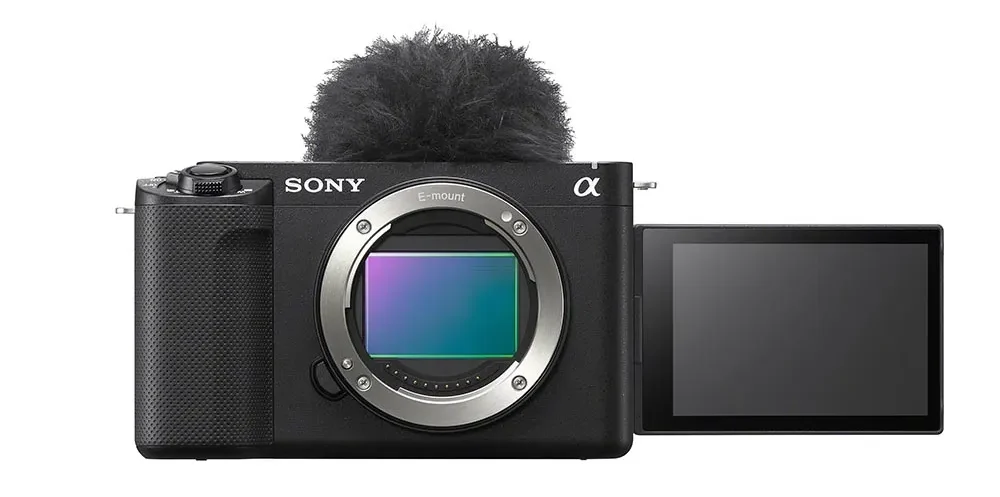
Sony ZV-E1 Review: 5 Reasons to Avoid this Camera
Sony ZV-E1 Review: My Updated Thoughts in 2026 (Now That I Own One)
Updated March 2026: After owning and using the ZV-E1 for just over 1 year, here’s my balanced take—I’ve shifted from ‘avoid’ to ‘solid niche tool’.”
Back in 2023, I published a pretty harsh take on the Sony ZV-E1, titled “5 Reasons to Avoid this Camera.” I was skeptical based on early previews, hype, and practical limitations. Fast-forward to 2026: I’ve owned and used the ZV-E1 as part of my kit for a while now, and my tone has shifted. It’s not perfect—far from it—but it’s become a surprisingly capable tool for certain workflows, especially vlogging, solo content creation, and low-light video. The image quality, stabilization, and compact size are hard to beat when you need full-frame in a tiny package.
That said, many of my original concerns still hold up in real use, particularly if you’re pushing it hard in warm conditions or need pro-level reliability. This is a more balanced 2026 update: the good, the bad, and where it fits today. (Note: Prices in Australia have come down a bit since launch—often around AUD $2,700–$3,000 body-only now, depending on deals.)

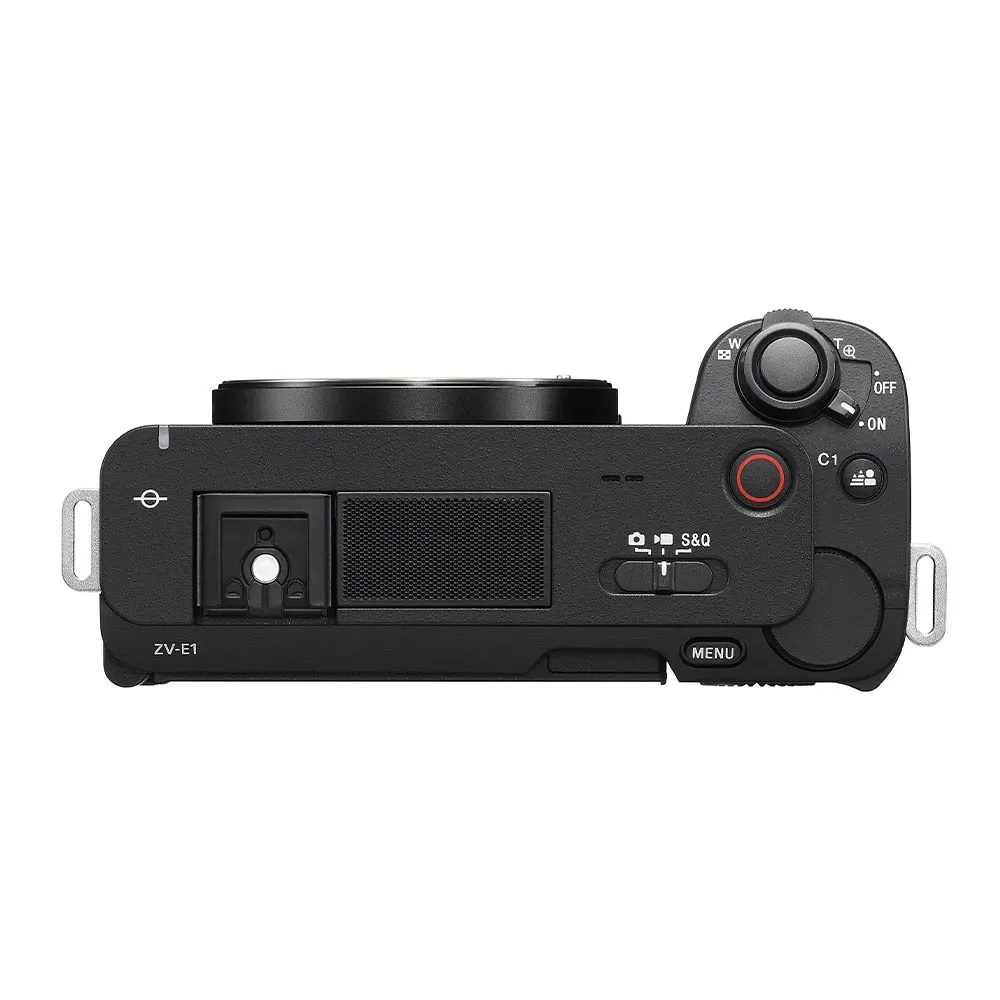
Ergonomics: Still a Weak Point for Handheld
The small grip remains one of the biggest drawbacks if you have larger hands. Knuckles can bash the lens, and extended handheld shooting feels cramped—exactly why I sold my A7C years ago. For tripod or gimbal work (which is how I use it most), it’s fine. But for run-and-gun handheld vlogging all day? Not ideal.
Alternatives like the Sony FX30 or A7S III (or even the Panasonic S5II) offer much better handling in the Sony/Panasonic ecosystem.
Overheating: Manageable with Care (and Accessories)
Overheating was (and is) real, especially in 4K 60p or higher in warm Aussie conditions (30°C+ days). Early tests showed limits around 20–40 minutes depending on settings and ambient temp. In 2026, it’s still not “unlimited recording” like a fan-cooled FX3/FX30.
But here’s where my view changed: with a cheap external fan (e.g., Ulanzi-style clip-on), many owners—including me—get reliable long takes without issues for most vlogging/interview work. In controlled/indoor setups or shorter bursts outdoors, it rarely shuts down on me now. If you shoot direct sun all day or need all-day reliability without accessories, look elsewhere (FX3, A7S III, or Panasonic options). But for my use? It’s workable.
Firmware & Features: 4K 120p Was Free, and Updates Continue
Early rumors suggested paid firmware for 4K 120p—gladly, Sony made it a free upgrade via Creators’ Cloud back in 2023. It’s been standard for years now, and recent firmware (up to v2.02 in late 2025) has brought tweaks to AF, stability, and performance. No major complaints there anymore.
That said, high-frame-rate modes still heat up faster, so fan helps if you push it.
Single SD Card Slot & Micro HDMI: No Change
Still only one SD slot at this price point—frustrating for pros or anyone wanting redundancy (e.g., important shoots or travel). Micro HDMI is prone to wear/breakage and limits long-cable external monitor/live switching setups. These feel like cost-cutting on a premium body.

Price: Better Value Now
At launch (~AUD $3,800), it felt massively overpriced for the compromises. In 2026, with street prices lower and competition (A7S III drops, FX30/FX3 still strong), it’s more reasonable if you prioritize size, low-light, and video features. The FX3 remains the “reliable” full-frame sibling, but the ZV-E1 punches above its weight for creators who value portability.
What I Love About the ZV-E1 in 2026
Despite the flaws, here’s why I kept it and use it regularly:
Incredible Video Features
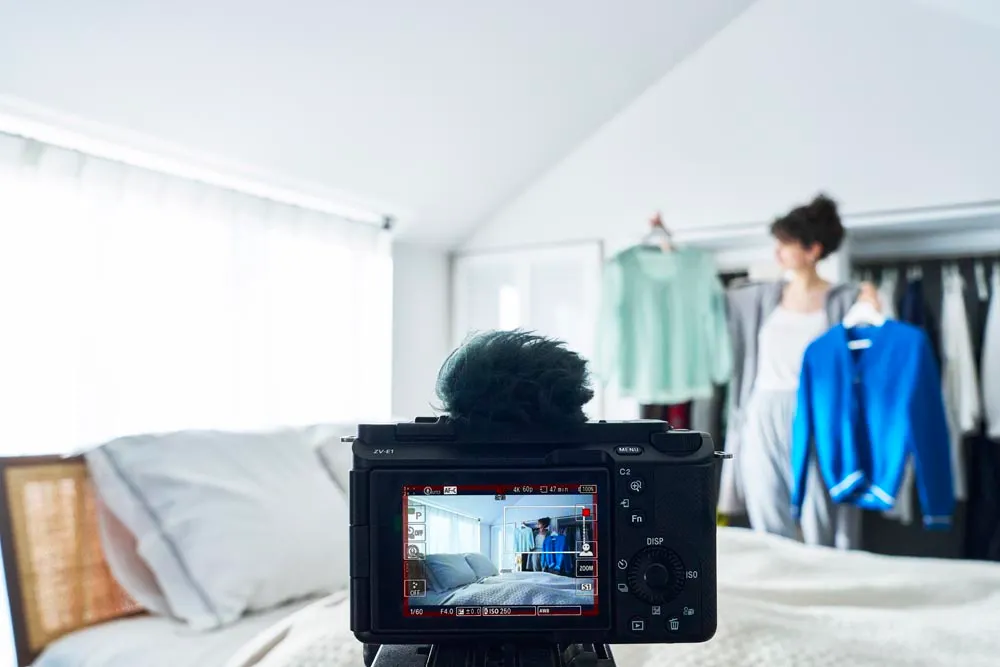
10-bit codecs, dual native ISO, AI-driven autofocus (human/animal/vehicle tracking is superb), auto-framing (great for solo talking-head or dynamic static shots), and Dynamic Active Stabilization (gimbal-like results with crop). These make it shine for content creation.
World’s Smallest Full-Frame (Still True)
Pair it with a compact prime (e.g., 20mm or 35mm f/1.8), and it’s unbeatable for travel vlogging or discreet shooting. Low-light performance is FX3-level—stellar.
Should You Buy the Sony ZV-E1 in 2026?
If you need the smallest full-frame video camera, love AI gimmicks that actually work (auto-framing, stabilization), and shoot mostly shorter clips/indoor/controlled environments—yes, it’s a gem. Add a fan, and overheating becomes far less of an issue for many users.
If you demand all-day reliability in heat, dual slots, better ergonomics, or full pro HDMI—no, save for the FX3 or look at Panasonic/Canon alternatives. For me, it’s now a solid secondary/full-frame compact in the bag alongside my FX30/FX3 kit—not a primary A-cam for everything, but one I reach for often.
Curious about real use? Check my original video below, but take it with the 2026 grain of salt—I’ve warmed to it significantly since owning one.
Let me know in the comments if you’ve got one—what’s your experience in 2026?