Sony A7 V vs. Sony FX2 – The Choice was Easy!?
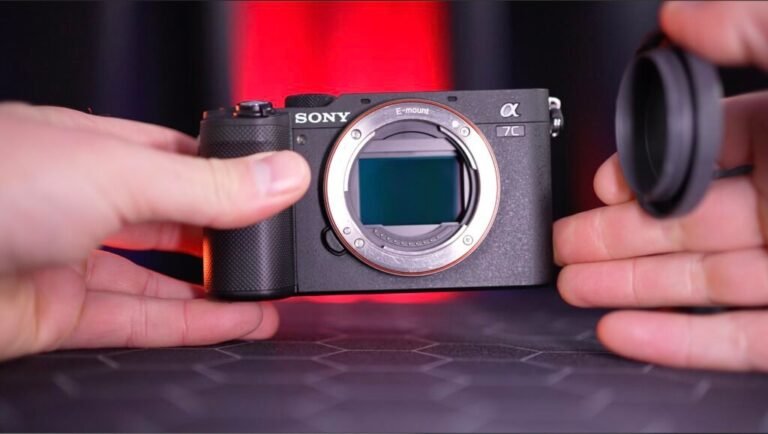
Today we are diving into an overview of the Sony A7 V, using the Sony 35mm F1.8 FE prime lens. In a previous review, I mentioned planning to trade in my Sony ZV-E1 for a new camera, and the Sony A7 V ended up being the clear winner. This 35mm prime is the exact lens I used regularly back when the Sony FX3 was my primary camera, and checking the image output, the quality looks every bit as good.
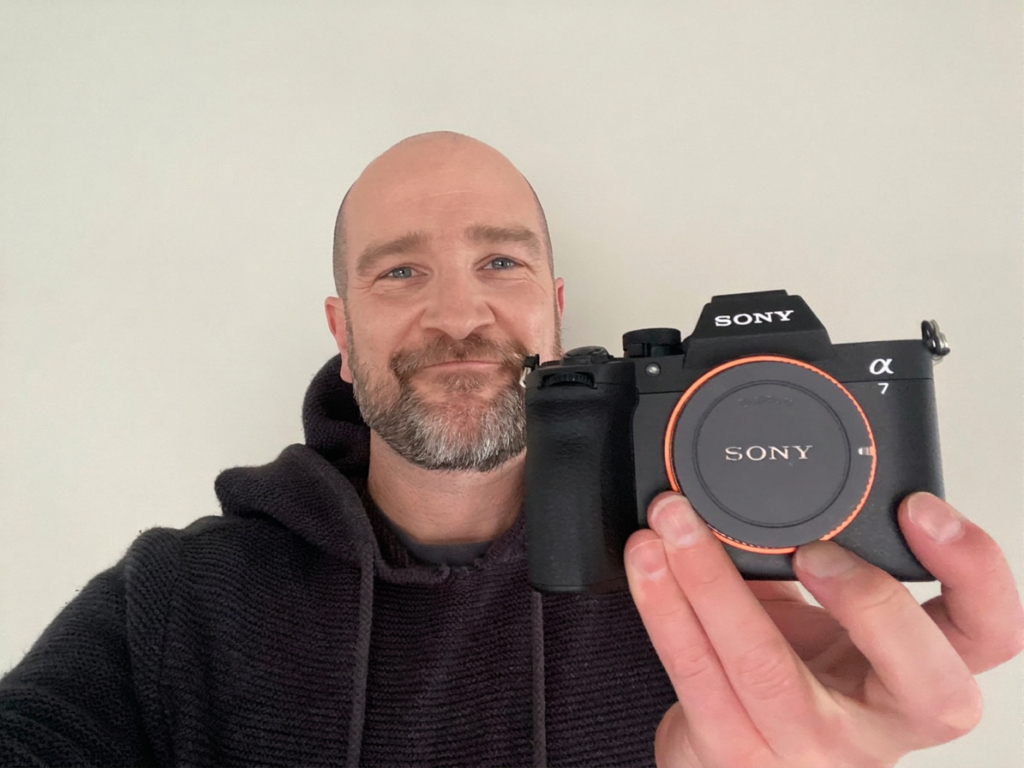
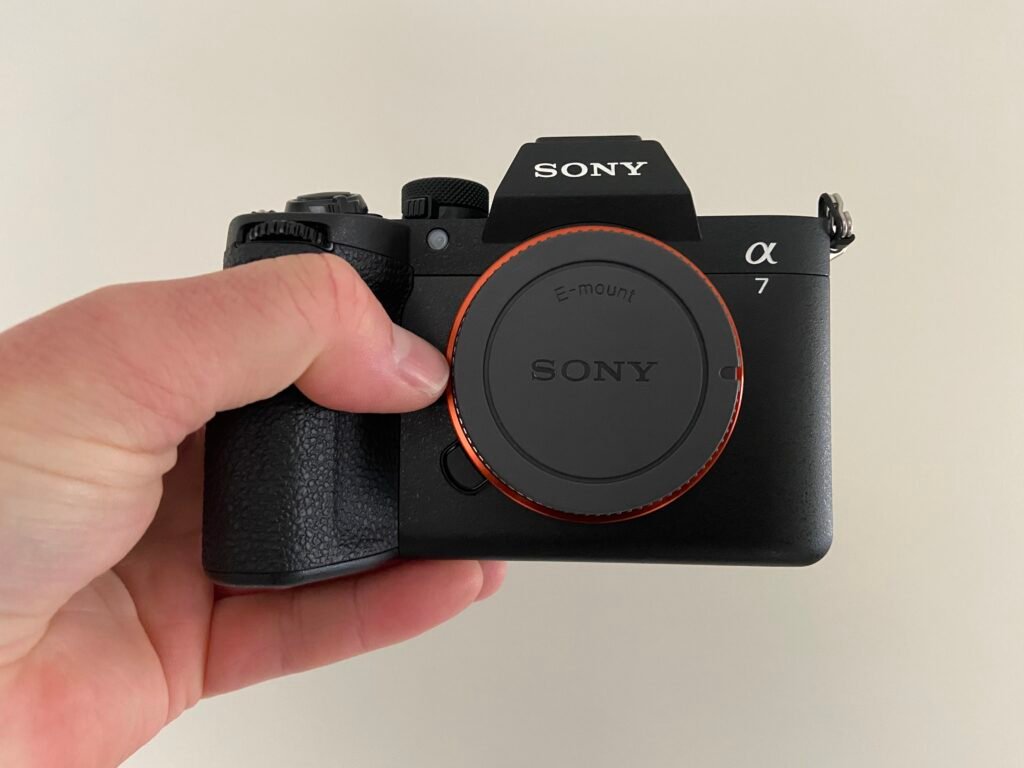
I was able to get a great trade-in price for the ZV-E1 at Ted’s Cameras here in Australia. They are one of the few local retailers that accept trade-ins without low-balling you like you are listing gear on Facebook Marketplace. It is not a sponsored mention—just a solid store for new and used camera gear if you haven’t bought through them before.
Why Switch from the ZV-E1 to the Sony A7 V?
This was not a rushed decision, nor am I changing camera ecosystems entirely. I’ve been wanting to make this transition for months. The goal was to secure a hybrid camera with a higher-megapixel sensor that excels at photography while remaining top-tier for video. The A7 V made the most sense for upcoming lens reviews because it performs exceptionally well on both fronts.
While the 12-megapixel sensor on the ZV-E1 is phenomenal for dedicated video work, photography was never its strong suit. Reviewing photos shot on the APS-C FX30 proved that extra resolution makes a significant difference for fine detail, sharpness, and cropping flexibility. Moving up to 33 megapixels on full-frame was a logical step forward.
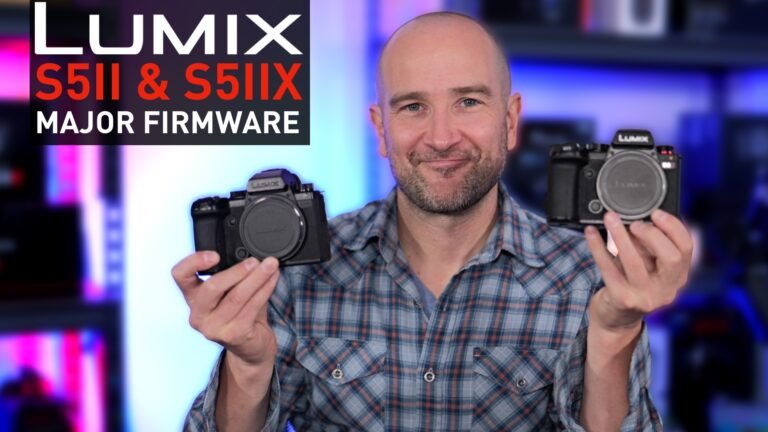
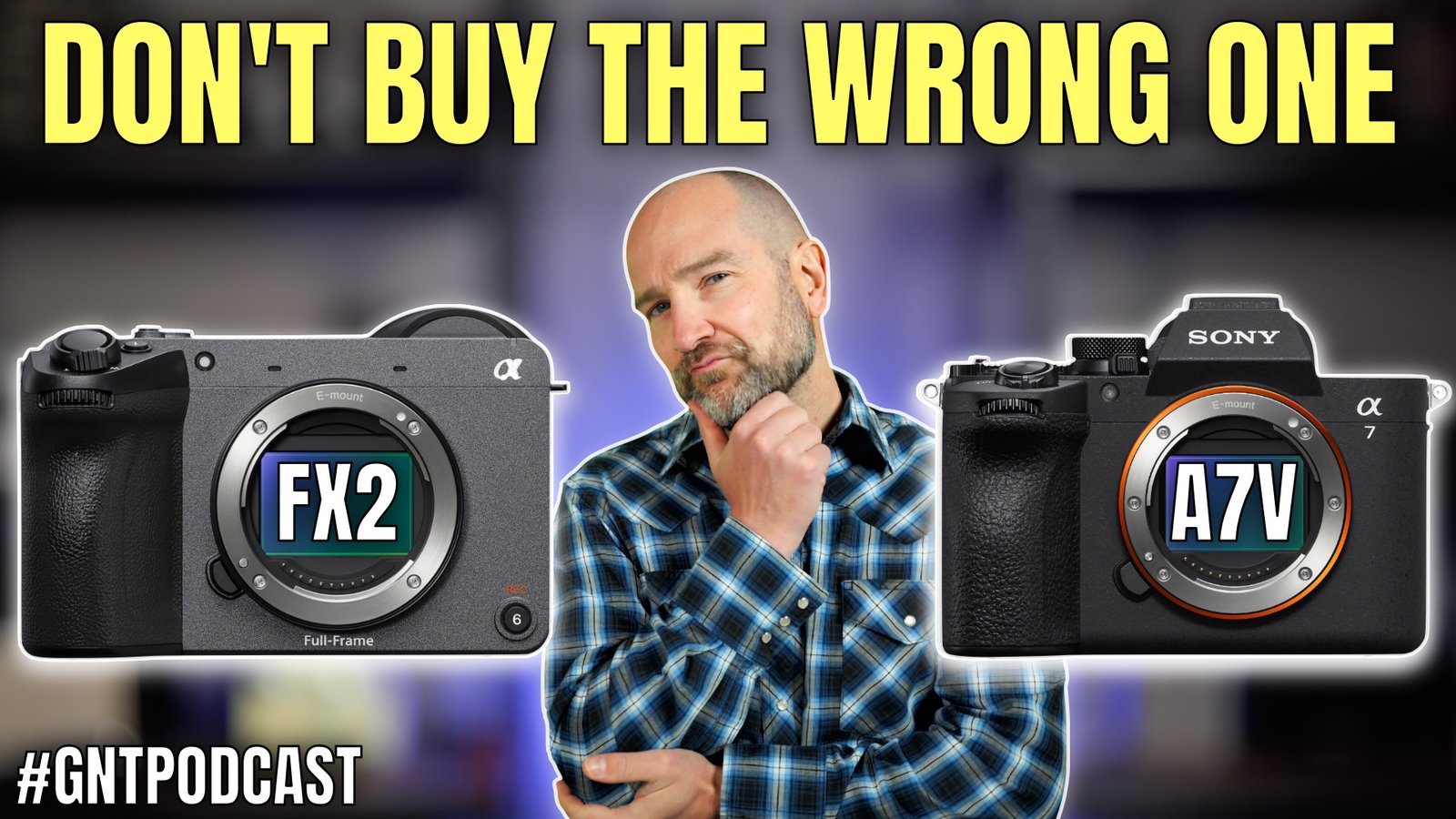
I first got hands-on experience with the A7 V a few months ago in Florida while collaborating on a comparison against the Lumix S5 II with Dirk from DirksFocus. I had been torn between picking up the A7 V or the FX2. While the FX2 delivers beautiful image quality at standard frame rates and offers a solid photo experience, the A7 V felt like a considerably more advanced tool overall.
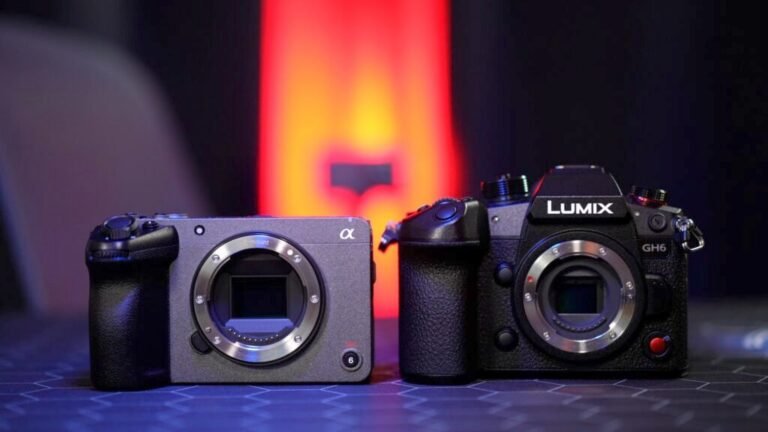
Comparing the Sony A7 V vs. FX2 & FX30
Handling both cameras in person made the final decision straightforward:
- EVF Positioning: The FX2’s corner-mounted viewfinder setup didn’t quite suit my workflow. Having previously owned an A7S III, I prefer a traditional center-mounted EVF structure that doesn’t stick out awkwardly in a packed gear bag.
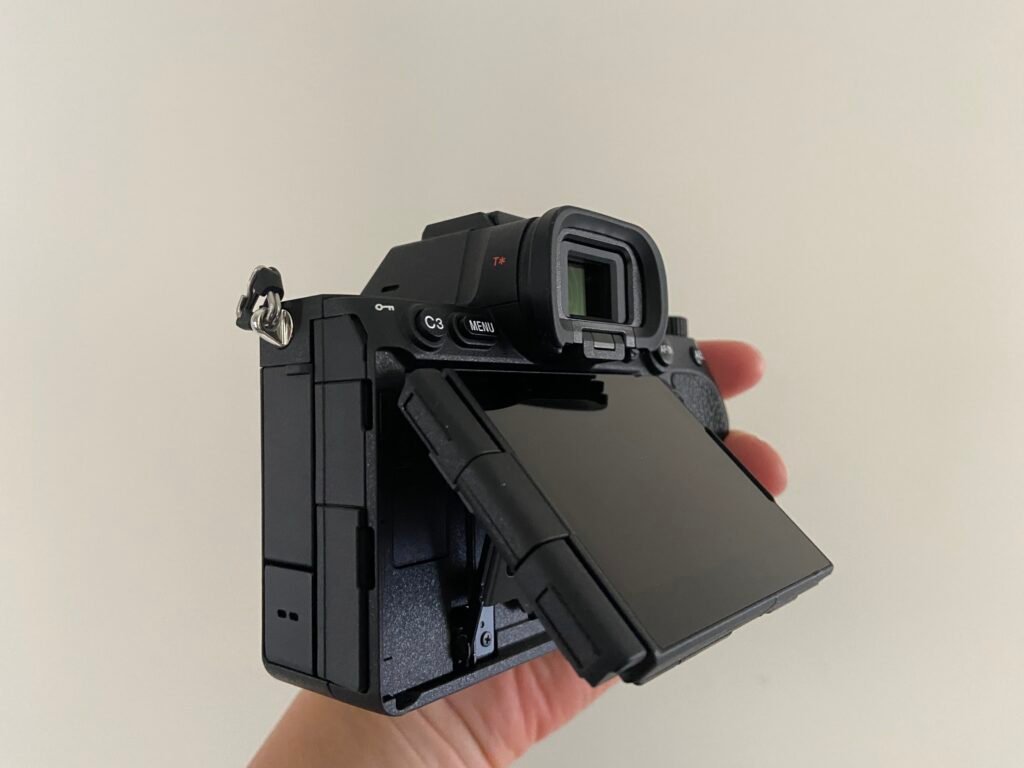
- Display & Video Features: The 4-axis multi-angle flip-and-tilt screen on the A7 V is outstanding. For a modest price difference over the FX2, you get a superior display, 50% less rolling shutter, full-sensor 4K50/60p, and 4K120p in APS-C crop mode—features the FX2 simply lacks.
- Thermal Performance: While the FX2 features active fan cooling, thermal management in the field isn’t an issue for my workflow. I regularly use an FX30 for extended shoots, which records continuously without thermal shutdowns.
Furthermore, the A7 V features minimal overheating concerns thanks to the upgraded BIONZ XR2 processor. Indoors, it can record 4K at 24, 25, or 30p for over 6 hours straight without thermal warnings. Real-world feedback from creators shooting in hot and humid climates like Southern Florida confirms that thermal limits are rarely an issue in everyday use.
Key Photography & Video Specifications
| Feature | Sony A7 V Specification | Practical Benefit |
|---|---|---|
| Sensor Resolution | 33 Megapixels | Excellent balance between photo detail and video performance |
| Burst Shooting | Up to 30 fps with Pre-Capture | Captures action up to 1 second before full shutter press |
| Sensor Readout Speed | 15.1 ms | Faster readout than S1 II / S1 IIe (21ms) with controlled rolling shutter |
| Continuous Recording | 6+ Hours (4K24/25/30p) | Extremely stable recording performance without thermal shutdowns |
Ergonomics, Connectivity, and Controls
The physical ergonomics are a noticeable upgrade over compact hybrid bodies:
Deep Handgrip & Controls: The grip feels substantial and secure in larger hands. Your thumb rests naturally on the rear joystick, which feels more responsive and refined than similar layouts on the S1 IIe. The top dial layout is kept clean and practical: a primary mode wheel (P/A/S/M, Auto, Custom) paired with an underlying three-way stacked selector for Still, Video, and S&Q modes.
Dual USB-C & HDMI Ports: The body includes a full-size HDMI port alongside two dedicated USB-C ports. This allows you to offload data or run the camera as a clean webcam while simultaneously maintaining continuous power delivery—a feature missing on many competing hybrid bodies. The only missing feature here is direct-to-SSD recording, but the dual port setup is a major operational win.
Real-Time AI Auto-Detection: The AI subject-recognition autofocus automatically detects and tracks humans, animals, birds, insects, cars, trains, and aircraft without forcing you to switch sub-menus manually. Touch tracking is sticky and reliable across all tested shooting modes.
“It’s essentially a perfect middle ground between high-resolution photography and professional video performance—making it the ideal workhorse for testing and reviewing E-mount lenses.”
Build Notes & Articulating Screen Mechanism
One detail worth noting is the physical tension on the multi-angle articulating screen. The hinge mechanism moves much more smoothly and easily than the chunkier screens on bodies like the Panasonic GH7. If you are used to pulling out a screen diagonally with firm pressure, you might notice the mechanism moving upward instantly. Comparing it against other units in-store confirmed this is standard across the A7 V design—it operates very smoothly once you adjust your muscle memory.
Final Thoughts
Trading in the ZV-E1 at Ted’s Cameras allowed me to offset a massive chunk of the upgrade cost. While Sony cameras occasionally face scrutiny online for lacking specific niche features, the A7 V stands out as one of the best value-for-money hybrid cameras on the market in 2026.
Moving forward, full-frame E-mount lens reviews will feature video and photo samples shot on this camera. If you are currently shooting with the Sony A7 V, drop a comment below and share your experience with it so far!