Why I got a Sony FX30 in 2026 (Better than You Think)
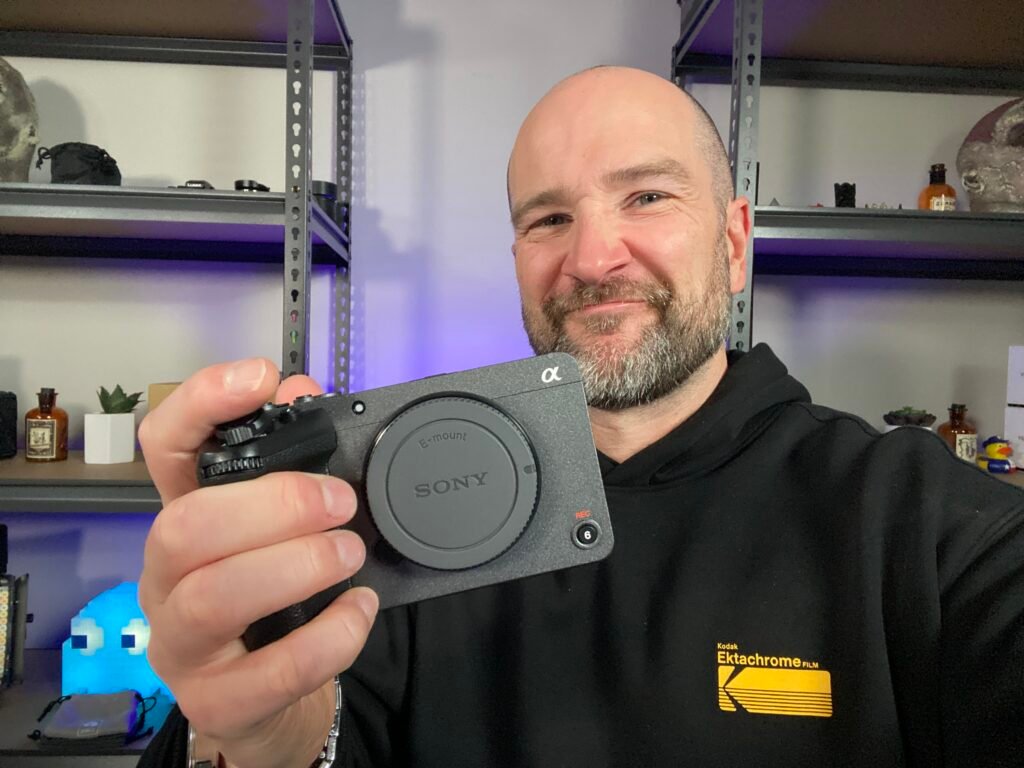
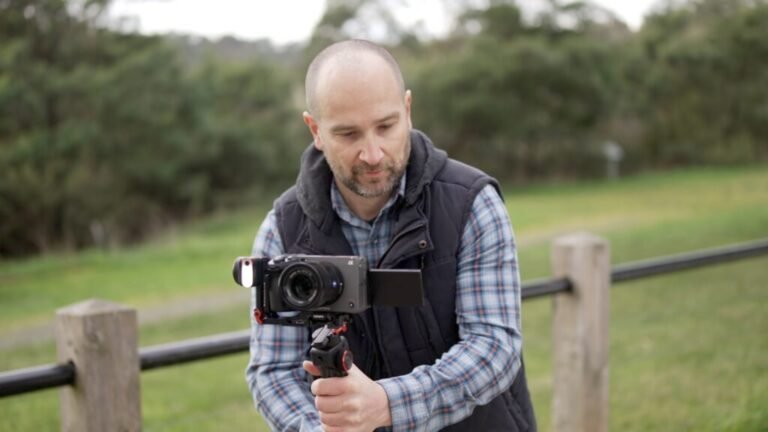
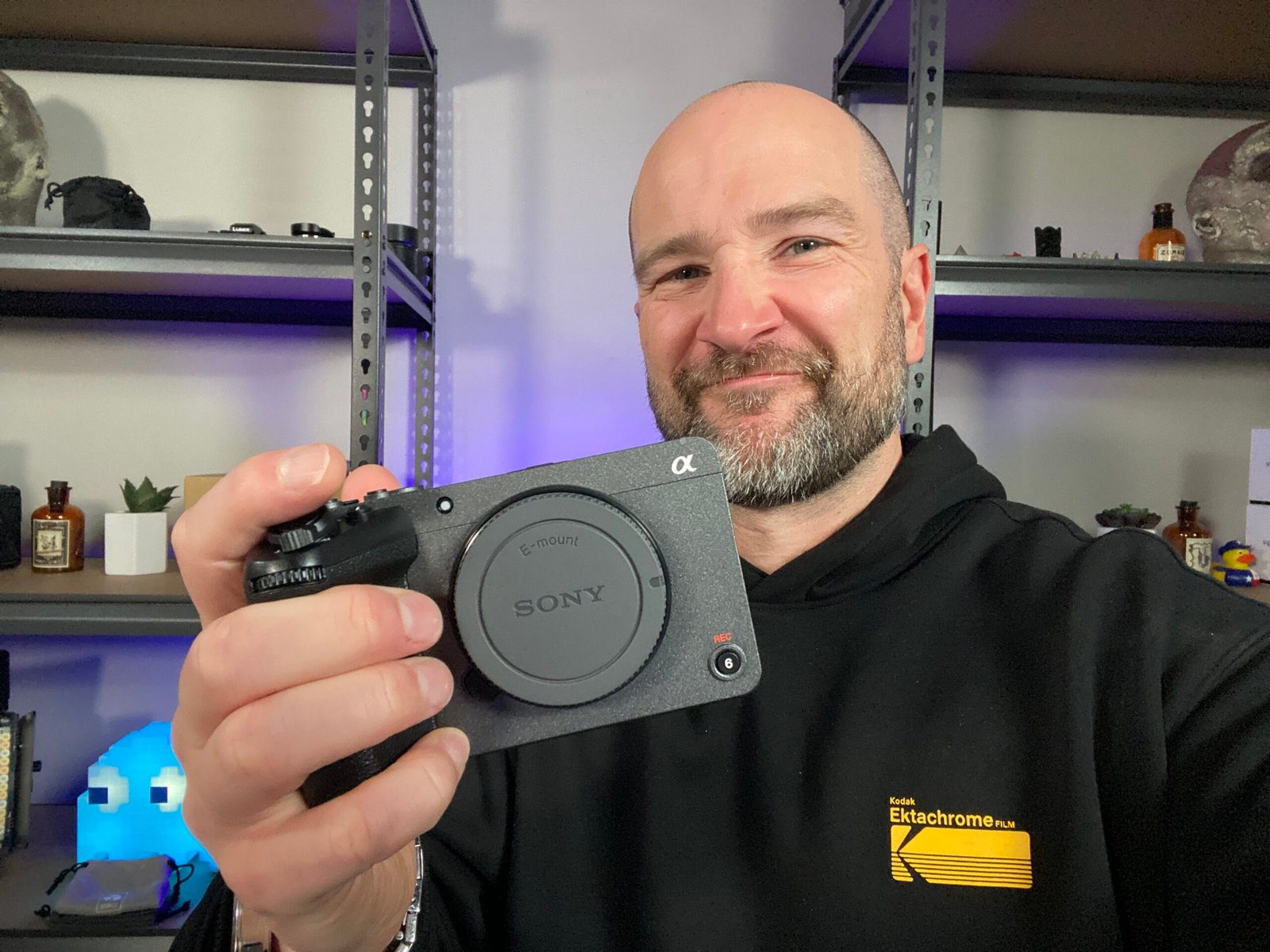
That’s me, with my new Sony FX30. Welcome to my blog, my name is Shane. I am a content creator from Australia. I am not directly affiliated with Sony, nor do I get to preview any of their gear ahead of launch. I am going to tell you why I purchased a 4-year old camera in 2026. This is in no way sponsored, or product provided etc. I paid for it myself.
Backstory
If you follow my YouTube channel or blog, you might know I had one of these cameras a few years ago and then traded it in for a Lumix S9 and paid the difference. When I handed in my Sony FX30, I said to myself – “What am I doing?”.
I really loved using the FX30 and it was the one regret I had when it came to selling gear. The only reason I moved it on was to save some money on a different camera, it was a dumb move.
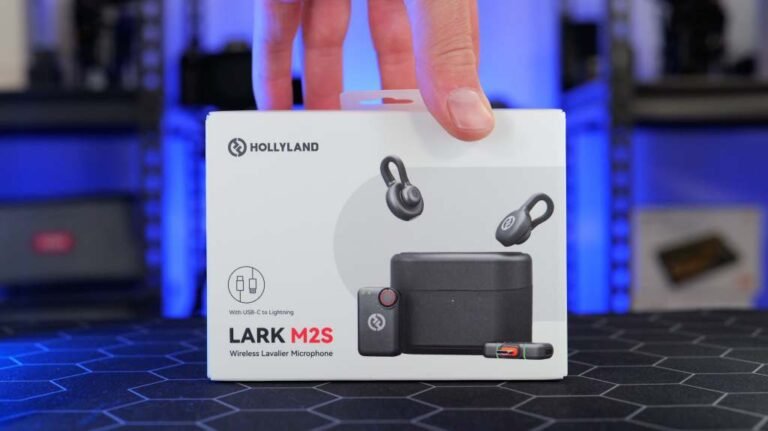
Below is a video covering my first impressions opening the Sony FX30. (YouTube link)
Don’t worry about my double-watch – it’s a glitch through YouTube’s AI thumbnail maker 🤓
Can the Sony FX30 Keep up in 2026?
I am writing this about 1 week after the release of the Sony FX5, a camera which is aimed at working professionals in the cine-landscape. As a prior owner of the Sony FX3 and A7SIII, the FX5 is not designed for most shooters. The distance between the FX30, FX3, and FX5 is less than you think and I’ll explain why.
Low Light & Thoughts on FX30 vs. FX3/FX5
Unless you need internal RAW, the biggest difference is how each camera system handles their respective Native ISOs. The FX5 has 3 native ISO settings, where the FX3 and FX30 have 2. Low light goes to the full frame cameras with that impressive 12800 ISO, but the FX30 has a second native ISO at 2500. This is more than enough to clean and impressive video quality till about dusk and if you’re shooting on set with proper lighting it’ll be more than adequate.
What people don’t realise is that if you are shooting S-LOG3 at 12800 on the FX3 or FX5, you may require ND filters or you’ll have to stop down you’re aperture to get correct exposure. The FX5 having the middle ISO at 4000 helps a lot with this, but 2500 on the FX30 is more usable than people think. Is full frame better for low light? Yes, but if you work within the native ISO settings of your camera, you’ll get good results out of anything.
FX30 vs. FX2/FX3/FX5 Workflow
If you’re lazy and like to forget about all the dual native ISO stuff, then full frame might be the better choice. If you’re the kind of person who wants to save a lot of money and get results that look basically the same, the FX30 is a good choice if you are happy working within the dual Native ISO workflow.
Most folks looking at the FX30 are either currently doing filmmaking, YouTube, or want to get into it and the FX30 is much better value which is why it’s here. The FX2 is also another choice, but as of right now, the FX30 was a couple of grand cheaper. At the end of the day, no one is going to see a difference if you know how to shoot.
The Sony FX30 feels like a New Camera
It had been almost two years since I last used the FX30, and wow — Sony has seriously turned it into a different camera through firmware updates. Pretty much everything I used to complain about has been fixed: shutter angle, anamorphic de-squeeze, the Big 6 Home Screen, native DCI-4K recording with Variable S&Q, ProRes RAW output, and proper CineAlta file naming.
On top of that, a bunch of smaller quality-of-life improvements have been added, including much better app connectivity (finally!).The camera now boots straight into the same clean cinema-style interface you get on the FX6 and Venice. It gives you that handy top-down view of all your critical settings the second you wake it up — super intuitive.And yes, DCI-4K recording is now fully native. You get true 4K in the proper 17:9 aspect ratio, plus real 24.00fps recording.
It might sound like a small detail, but it’s the standard for cinema projects and filmmaking, and it makes a big difference in real-world use.
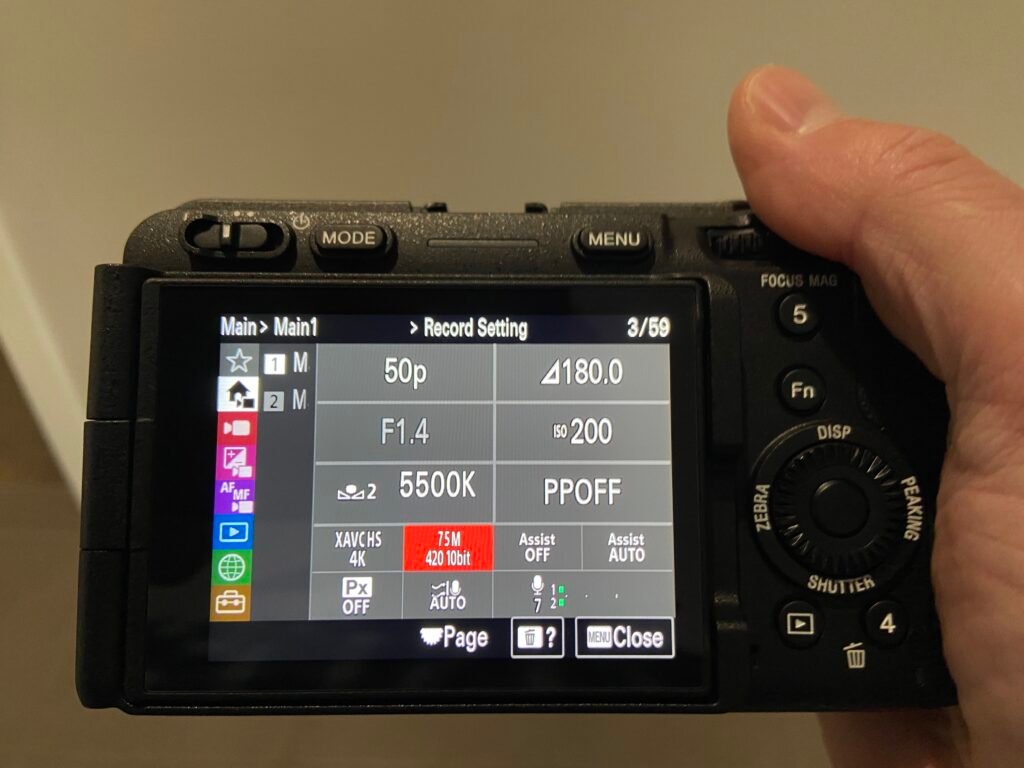
Better Firmware = Better Camera
This literally feels like Sony did a Lumix with their firmware approach. This camera not only has beautiful image quality up to 4k60p without an additional crop, but it also feels like now the IBIS is better than I remember. It’s still not “amazing”, but it’s solid for most handheld work. For best results with the Sony IBIS though, you need to use Sony Lenses. Not all third party lenses have compatibility. Having the camera supported for this long is phenomenal.
Reliability
One of the other reasons I went for the Sony FX30 over some of the other offerings like the Sony A6700 is reliability. I shoot a lot of long form content, I also shoot outside in the sun, and the FX30 with the active cooling is as robust as it gets. It’s right there in terms of reliability along with the FX3, Lumix GH7, and S5II.
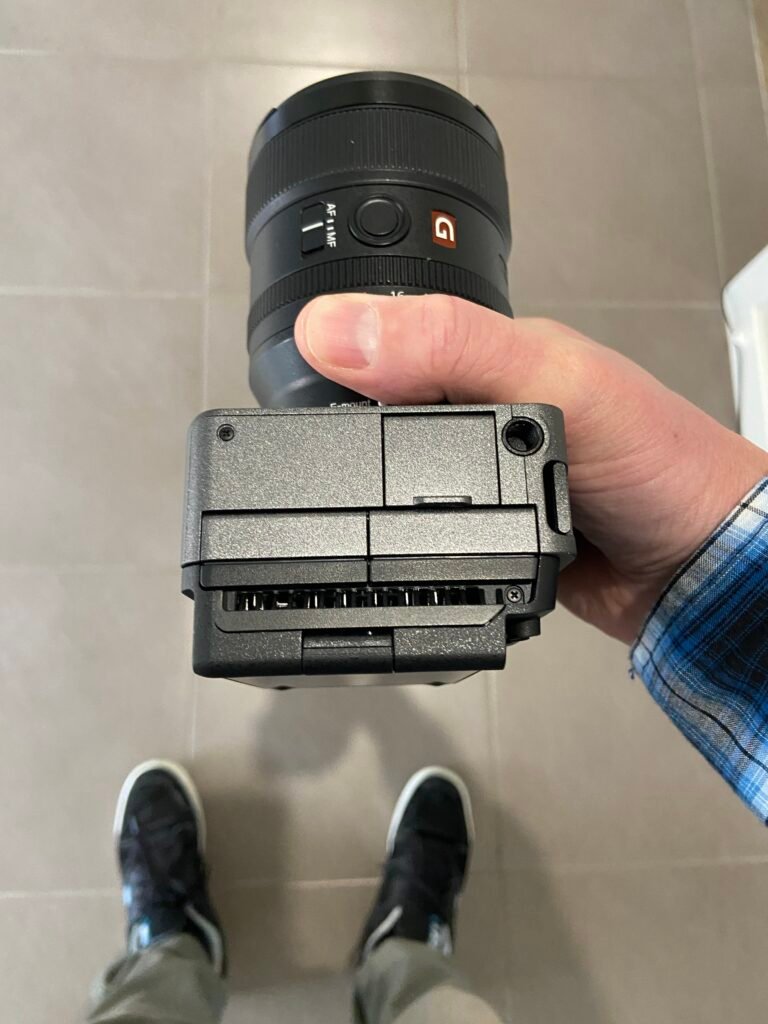
Unlike other recent cameras from Lumix like their S1II that overheats, this does not have any issues. Shooting in Australia, Texas, or Florida can pose issues with thermals, but this camera is bullet proof.
The Hype Machine
The hype machine on YouTube, or other platforms is real. A new camera comes out and everyone goes crazy. One thing I have learnt being a part of new camera releases is that the difference between something that comes out now, versus a few years ago is negligible for 95% of the folks watching.
Autofocus is great on all cameras as is image quality. The only small differences are things like open gate and RAW, which may or may not be a deal-breaker or maker if you’re in that 95% (or 5%). It’s funny to see how fast stuff comes and goes these days.
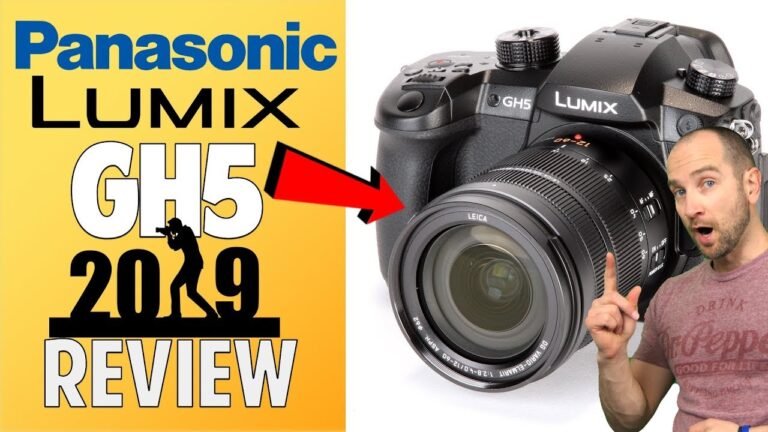
The hardware on the FX30 is still strong enough to compete with the newest video-centric camera out there in most studio or filmmaking environments. The FX30 is a bit like a modern GH5 (minus the IBIS) as it does everything well and in 5 years from today, it’ll still be good.
Smaller Lenses (Generally)
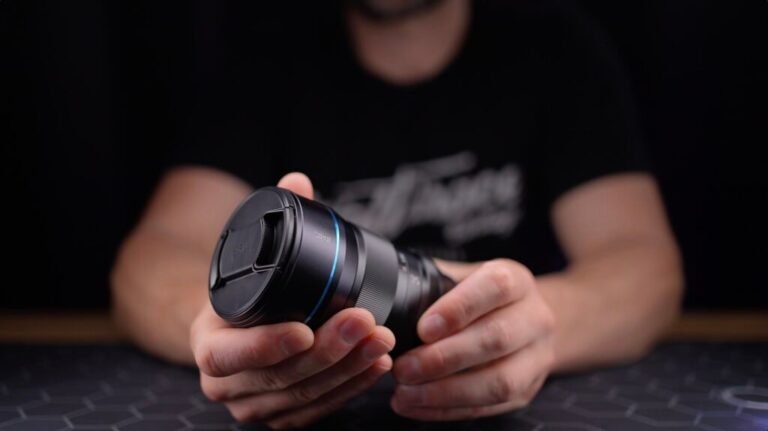
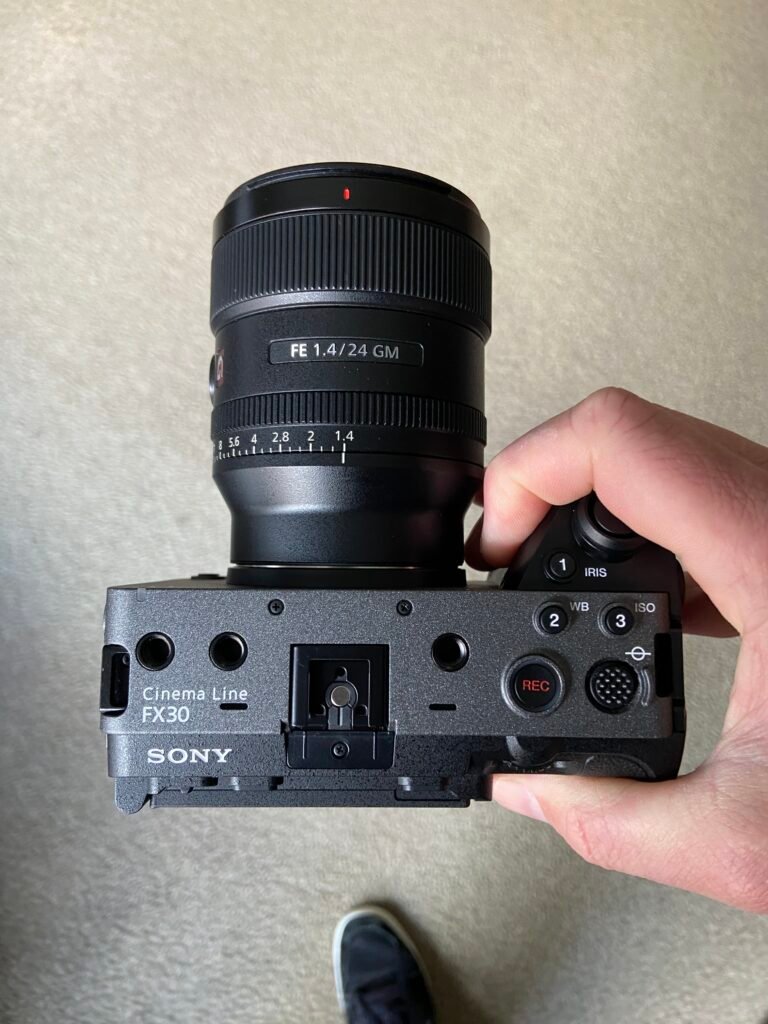
APS-C/Super-35mm lenses are great because they are generally smaller than full frame equivalents. Here’s a 16mm F1.8 dedicated ASP-C lens on my FX30. If you compare this to something like the Viltrox 16mm F1.8, the size difference is night and day. I have a review of this lens coming up, but if you travel or want lighter gear for handheld work, APS-C is awesome.
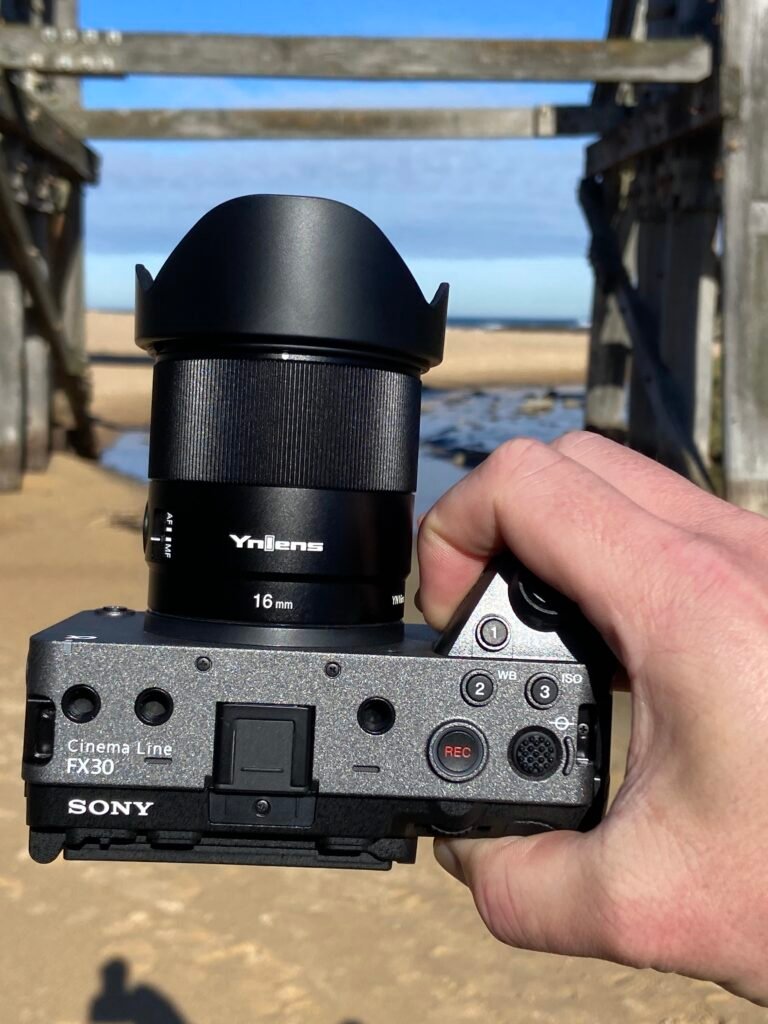
The FX30 shares the same E-mount as the full frame cameras, so you can use either full frame or APS-C lenses on the camera! This is a huge benefit over other brands that might do one line of M43 cameras and Full frame or APS-C and Medium Format.
Is the FX30 good for YouTube?
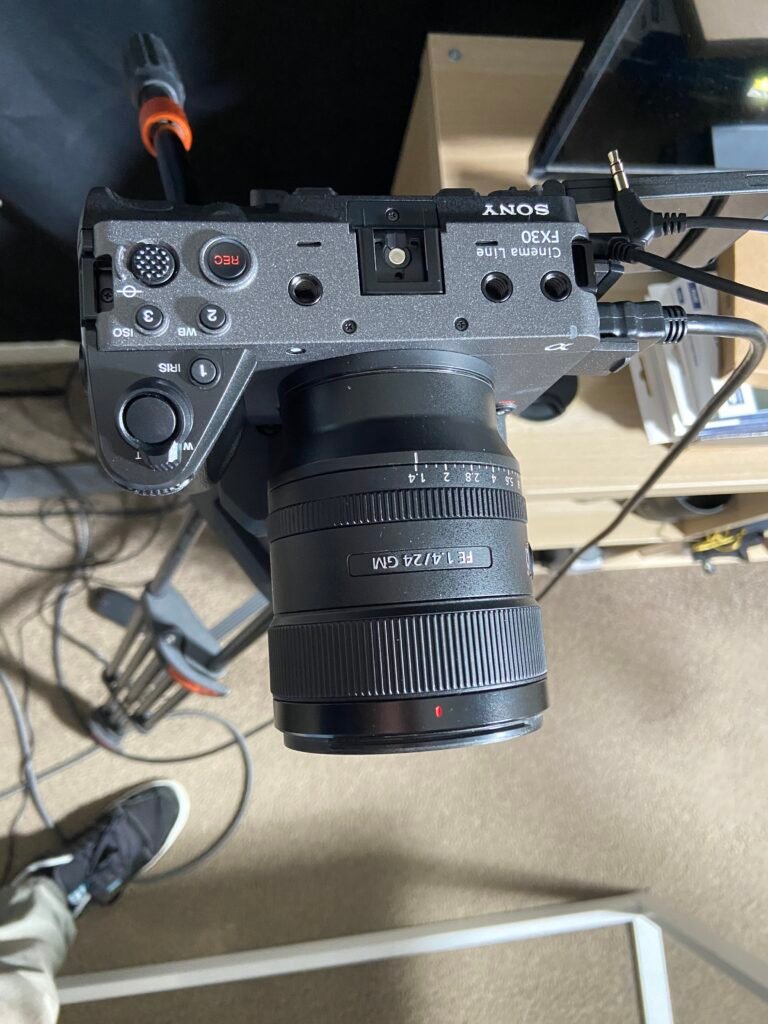
If you are setting up a YouTube channel for any niche or some sort of long-form podcast, the FX30 is a great option. Reliability, image quality, and lens selection is excellent. While the IBIS is not as good as other brands overall, it’s usable for almost any scenario. Here’s a shot of my FX30 in my studio for video I am working on.
Thanks for checking out my blog and check out my YouTube channel if you’re not already subbed.