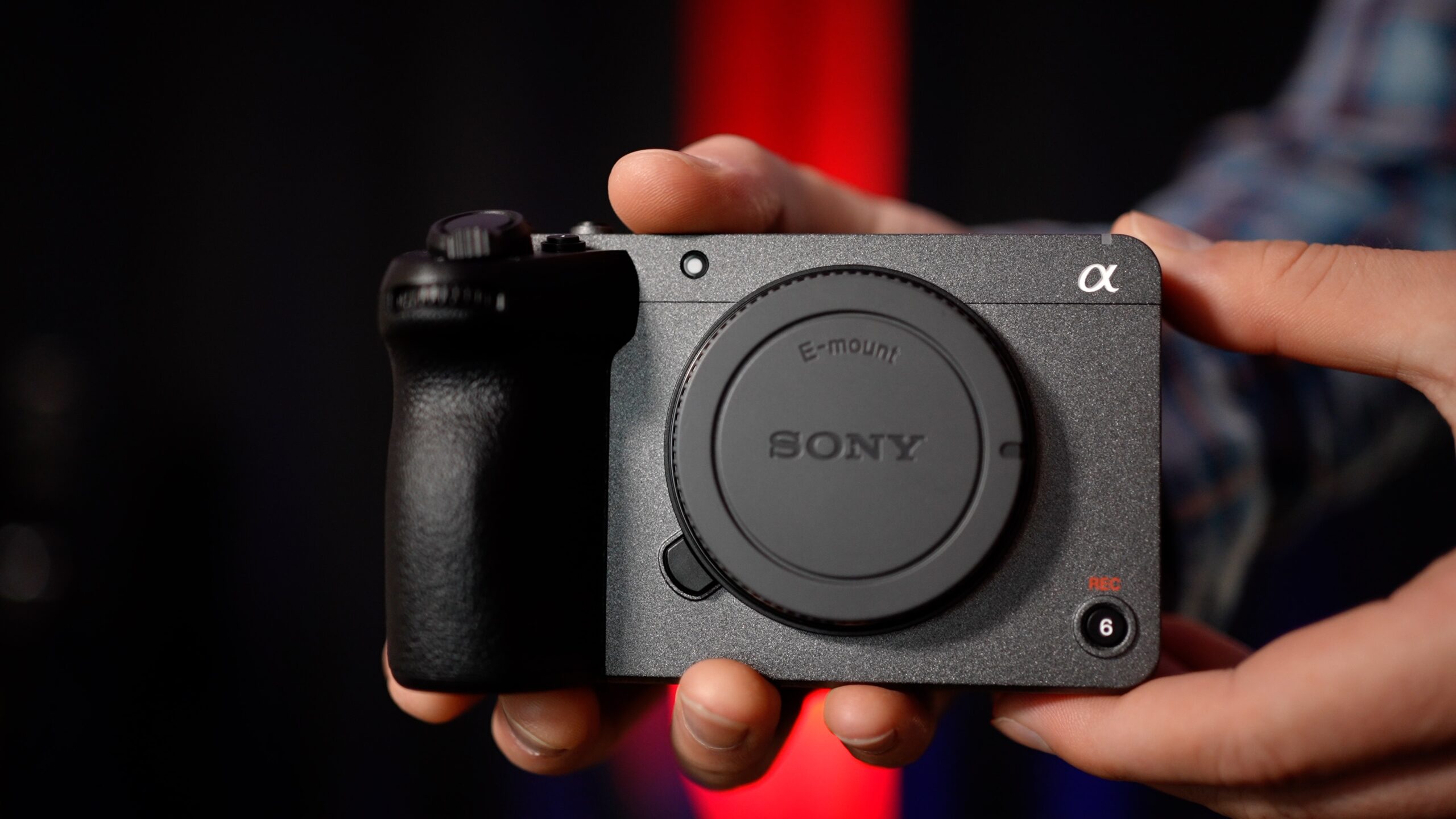
Sony FX-30 Native ISO Settings Explained!
The Sony ILME-FX30 is a powerhouse APS-C cinema camera, renowned for its dual-base ISO technology, which optimizes image quality across various shooting scenarios.
Native (or base) ISO is the sensor’s ideal sensitivity setting where noise is minimized and dynamic range is maximized, thanks to the camera’s dual gain circuitry. Knowing these values for various picture profiles enables filmmakers to capture cleaner footage with minimal noise and preserved detail.
Picture profiles like S-Log3 are ideal for high-dynamic-range workflows requiring extensive color grading, while S-Cinetone offers a more ready-to-use cinematic look with pleasing skin tones and contrast. Standard profiles (no profile or basic gammas like Movie/Still) are great for quick shoots where post-production is minimal.
Native ISO by Picture Profile
For simplicity, here’s a table summarizing the native ISOs for key picture profiles on the FX30. These values are based on Sony’s design and real-world testing, ensuring the best balance of exposure latitude and low noise.
| Picture Profile | Low Native ISO | High Native ISO | Notes |
|---|---|---|---|
| Standard (No PP, Movie, Still, etc.) | 100 | 320 | Best for well-lit scenes; offers solid dynamic range in non-log gammas. Use low base for daylight, high for low-light without log. |
| S-Cinetone (PP11) | 125 | 400 | Provides a film-like look straight out of camera; high base helps in dimmer environments while maintaining cleanliness. |
| S-Log3 (PP10) | 800 | 2500 | Log gamma for maximum post flexibility; use Cine EI mode to lock to these bases for optimal grading latitude. |
Note: Other profiles like HLG (for HDR) align closely with standard bases (100/320), but always test in your specific setup as gamma curves can slightly shift performance. Benefits of Staying On or Near Native ISOsShooting at or close to these native ISOs yields several key advantages:
- Minimal Noise: The FX30’s sensor switches gain stages at these points, reducing amplification artifacts. Deviating far (e.g., pushing to ISO 6400 in S-Log3) introduces visible grain, especially in shadows.
- Maximum Dynamic Range: Native ISOs preserve the full 14+ stops of latitude the camera offers, crucial for capturing highlights and shadows without clipping or crushing.
- Better Color Fidelity: Less noise means cleaner colors and gradients, making grading easier in log profiles or maintaining natural tones in S-Cinetone.
- Efficient Workflow: In Cine EI mode (for S-Log3), you’re locked to bases but can adjust exposure index (EI) for over/under exposure, ensuring consistent results across shots.
In practice, aim for the low base in bright conditions and switch to high for low-light. If you must deviate, stay within 1-2 stops to avoid quality degradation. Always monitor with waveforms or histograms for best results.Whether you’re a run-and-gun shooter or a controlled set filmmaker, mastering these ISOs elevates your FX30 footage to professional levels. Happy shooting!


